
When you're getting bids for an ADU project, most contractors will hand you a number and move on. What they won't always tell you is how many other people are folded into that number — and how much those relationships affect your project timeline, your budget, and your experience as a homeowner.
Subcontracting is standard practice in construction. For many scopes of work, it makes sense. But electrical is different. And after decades as a licensed electrician turned general contractor, I have a particular perspective on what happens when the person managing your build and the person running your electrical aren't the same — or aren't talking closely enough.
The Coordination Problem Nobody Warns You About
A general contractor who subcontracts electrical work is managing a relationship as much as a scope of work. The sub has their own schedule, their own crew, their own priorities across multiple active jobs. When the framing is ready for rough-in electrical, the sub has to be available. When an inspection is scheduled, the sub has to show up. When something unexpected comes up — and it always does — the GC and the sub have to communicate quickly and accurately.
When that coordination works well, you don't notice it. When it doesn't, you feel it immediately. A missed rough-in window can push an inspection by weeks. A miscommunication about panel location can mean work gets done twice. A sub who's stretched thin across too many jobs is a sub who's making decisions quickly, not carefully.
These are not hypothetical scenarios. They are the ordinary reality of construction projects where the electrical scope is managed at arm's length.
What Changes When Electrical Is In-House
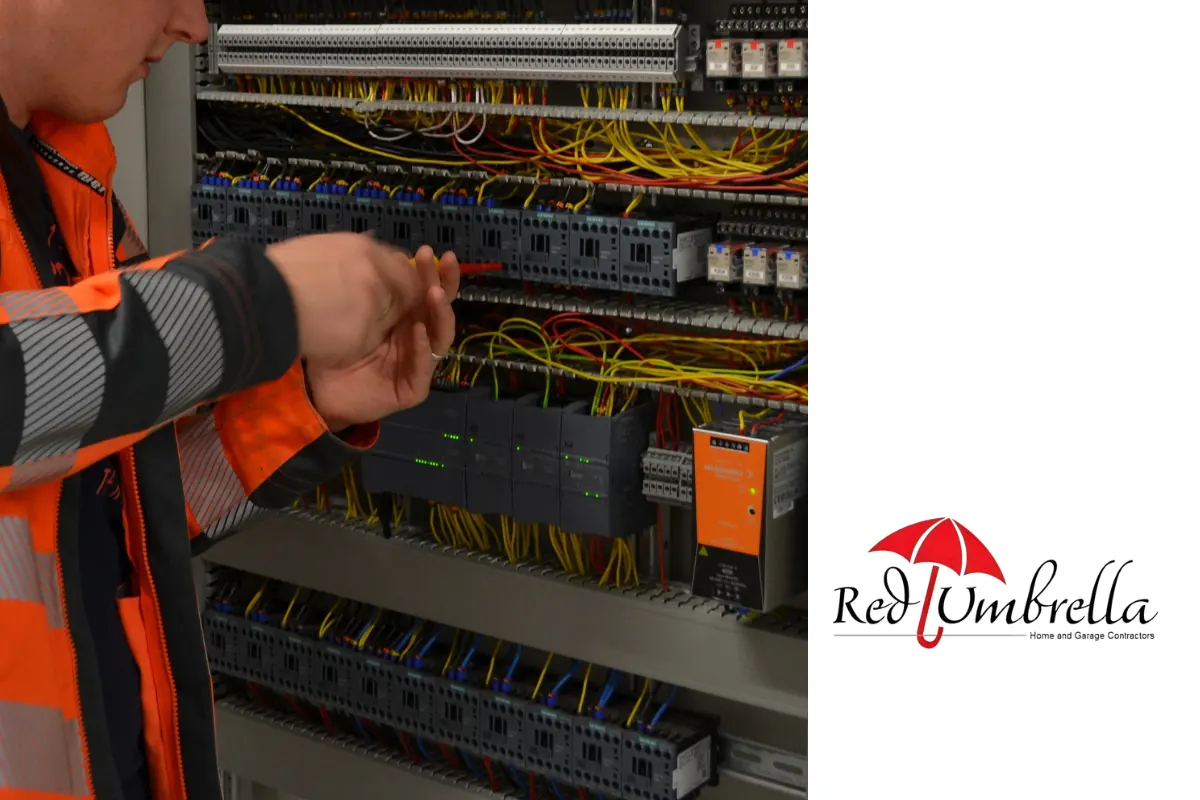
When I'm running your ADU project, the electrical planning starts on Day One — not when the framing is done and it's time to call someone. Load calculations happen before the permit is pulled. Subpanel location is decided in coordination with the floor plan, not after it's already framed. Inspection scheduling is in my hands, not dependent on someone else's availability.
That integration changes the pace and the precision of a project in ways that are hard to quantify in a bid but very easy to feel over the course of a build. Decisions that would require a phone call and a day's wait get made on the spot. Problems that would become change orders get caught before they become problems.
What This Means for Your Budget
Coordination failures cost money. A re-inspection fee because the sub's work didn't pass the first time. Labor costs for corrections that shouldn't have been necessary. Schedule delays that push your project into a wetter season or a busier permit backlog. None of these show up as line items in a bid. They show up later, when you're already committed.
Hiring a contractor who holds both licenses — general contracting and electrical — eliminates an entire category of risk from your project. That's not a marketing claim. It's a structural advantage that comes from how the work is organized.
It's also, frankly, one of the reasons I built Red Umbrella the way I did.
Want to know what an ADU project looks like when electrical is part of the plan from day one? Let's talk.
Thinking about a project?
Bari will look at your lot and give you an honest estimate — free, no pressure.
Begin Your Project →