

There's rarely a perfect moment to tear apart a kitchen or add a bathroom. Life doesn't pause, contractors are busy, and budgets require planning. But there are better and worse times to start — and recognizing the right window can save you money, reduce stress, and get you a better result. If you're on the fence about timing a remodel, here's how to think it through.
Signs Your Home Is Telling You It's Time
Sometimes the house makes the decision for you. Watch for these:
- Systems approaching end of life: If your roof, HVAC, plumbing, or electrical panel is aging, bundling that replacement with a remodel is efficient — you're already opening things up, already managing disruption.
- Moisture or structural issues: These don't improve with waiting. A bathroom with soft subfloor, a wall with mold, or a crawlspace that has been wet for years are problems that compound. The right time to address them is now, before they get more expensive.
- The house no longer fits your life: A growing family in a two-bedroom, a home office that's a folding table in the bedroom, a kitchen designed for someone who didn't cook — when the space is actively in conflict with how you live, it's time.
- You're 2–5 years from selling: This is often the best window for high-ROI remodeling. You benefit from the improvement while you still own it, and you capture value at resale. Last-minute pre-listing renovations are rushed and often don't recoup their cost.
Seasonal Timing in Eugene
Eugene's weather matters more for some projects than others. A few practical notes:
- Fall and winter: Interior remodels (kitchens, bathrooms, finished spaces) can proceed year-round. If your project is mostly inside, the rain doesn't affect the work. This is actually a good time to schedule interior work because contractor availability often opens up.
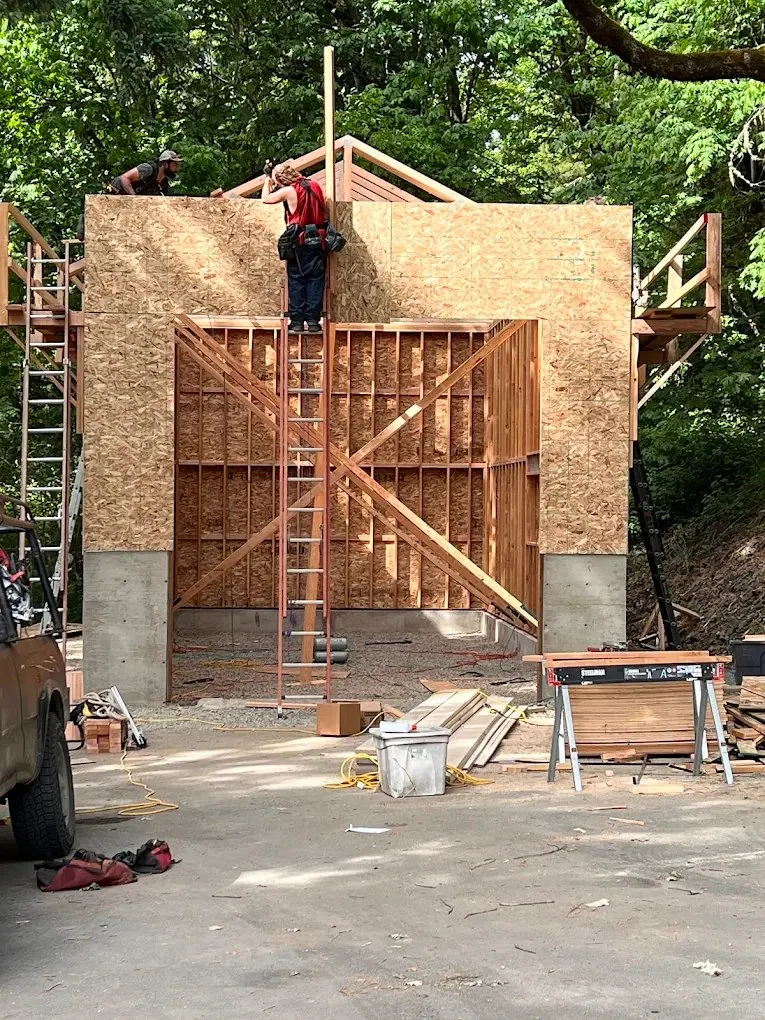
- Spring and summer: The prime window for exterior projects — additions, new garages, ADUs, decks, anything with a significant outdoor component. Drier weather means faster framing, fewer delays waiting for concrete to cure, and better conditions for roofing and siding.
- Year-round planning: Good contractors in Lane County book out. If you want a summer project, the conversation needs to happen in winter. Don't wait until March to try to get on a June schedule.
Budget Readiness: What "Ready" Actually Means
You don't need to have every dollar in hand before you start a conversation with a contractor, but you should have a realistic sense of your range before you commit.
- Know whether you're paying cash, using a home equity line, or financing — and what your ceiling is
- Build in a contingency of 10–15% for what you find once the walls are open (older homes in Eugene frequently have surprises)
- Understand the difference between your wish list and your must-haves, so you can make smart choices if bids come in high
If financing is part of the equation, it's worth knowing that options like HFS Financial can fund up to 120% of project cost — which can cover both the work and the contingency buffer. Ask about this during your consultation.
Life Timing: Disruption You Can Absorb
A remodel is disruptive. Kitchen remodels close your kitchen for weeks. Bathroom remodels take a bathroom offline. Additions involve noise, dust, and workers on your property regularly. Think about:
- Do you have flexibility in your schedule, or is this a period when you need the house to function normally?
- Do you have kids at home, a new baby, a family member with health sensitivities to dust or noise?
- Can you set up a temporary kitchen, use a secondary bathroom, or stay elsewhere for part of the project if needed?
None of these are reasons not to remodel — they're just variables to plan around. A good contractor builds a realistic schedule with you so you know what to expect and when.
The Cost of Waiting Too Long
Material costs and labor costs in the building trades have generally trended upward over time. If you've been thinking about a remodel for a couple of years, the project is probably more expensive now than it would have been — and waiting further rarely makes it cheaper. That's not a sales pitch; it's just the reality of construction economics.
If you're weighing the timing on a project, a free consultation costs you nothing and gives you a real number to plan around. That's often the piece that turns "we've been thinking about it" into an actual plan.
Thinking about a project?
Bari will look at your lot and give you an honest estimate — free, no pressure.
Begin Your Project →