
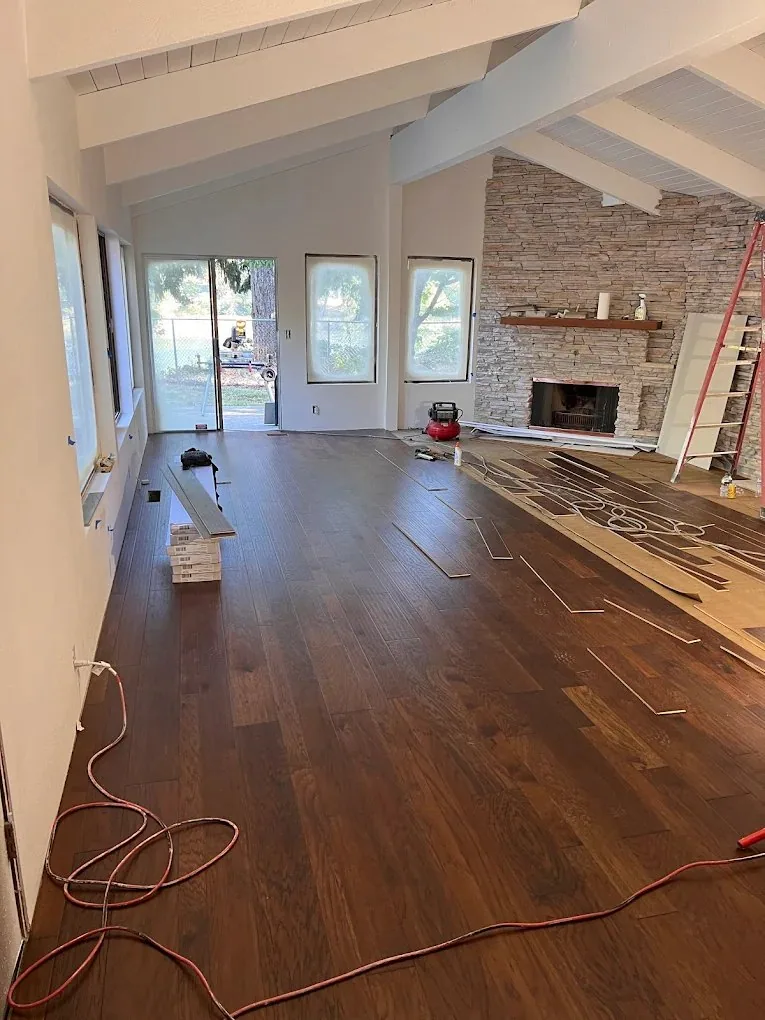
Not every room needs to be a multipurpose catch-all. Sometimes the most valuable thing you can do with an underused bedroom, a back corner of your home, or an awkward alcove is to strip it down to one clear purpose: stillness. Whether you practice daily prayer, meditate, read seriously, or just need one room where your nervous system can finally exhale — a dedicated quiet room is worth doing right.
Start with Sound
Noise is the enemy of calm. Eugene has its share of ambient sound — rain on the windows is beautiful, but street traffic, neighbors, and HVAC hum are not. Before you pick a paint color, think about acoustic control.
- Add insulation inside the walls if they're hollow — even a modest upgrade makes a noticeable difference
- Solid-core doors block far more sound than hollow-core; a sweep at the bottom closes the gap
- Rugs, curtains, and upholstered seating absorb echo inside the room
- If you're remodeling anyway, it's worth asking your contractor about soundproofing the ceiling if there's a room or foot traffic above
Light That Serves the Mood
Harsh overhead lighting tears apart the feeling you're trying to build. For a quiet room, you want layered, controllable light.
- A dimmer switch is inexpensive and transformative — install one on every circuit in the room
- North or east-facing windows give soft, even natural light without afternoon glare
- Frosted glass or light-filtering sheer panels let light in while keeping the outside world out
- Task lighting — a well-placed floor lamp or a small reading sconce — keeps overhead fixtures off when you don't need them
If your current room has only one overhead fixture and no dimming, a simple electrical upgrade during a remodel solves this cleanly.

Temperature and Air Quality
A room that's too hot or stuffy will pull you right out of a meditative state. A cold room has the same effect. Aim for steady, comfortable air with minimal mechanical noise.
- Ceiling fans on a low, quiet setting circulate air without drafts
- A dedicated mini-split or ductless unit lets you control this room's temperature independently — useful if it's in a part of the house that runs warm or cold
- Keep vents clear and consider a small air purifier if dust or allergens are a concern
Flooring and Surfaces
Hard flooring looks clean but can feel cold. Soft flooring feels warm but may hold allergens. The middle ground works well for most people.
- Hardwood or LVP with a large area rug gives you the best of both: easy to clean, warm underfoot during practice
- Cork flooring is naturally sound-dampening and warmer than tile or concrete
- Keep surfaces minimal — built-in shelving can hold a few meaningful objects without becoming cluttered
Built-Ins and Storage That Stay Out of the Way
The less visual clutter, the easier it is to settle your mind. A quiet room benefits from storage that closes: a built-in cabinet for books, cushions, candles, or yoga supplies keeps the space functional without making it feel like a storage room. If your remodel includes built-ins, this is the time to design for a closed-door look rather than open shelves that accumulate stuff.
A Few Details That Change Everything
- A low window seat with storage below is one of the most satisfying features you can add — it becomes the natural place to sit, watch rain, and breathe
- Neutral, muted paint colors (warm whites, soft greens, earthy tones) tend to hold the mood better than bold or bright walls
- If the room faces the street, consider a privacy-frosted window film so you get light without feeling exposed
- A small dedicated circuit for a salt lamp, essential oil diffuser, or white noise machine keeps cords tidy
This kind of room doesn't require a huge budget or a lot of square footage. It requires intention — and a contractor who listens to what you actually want the space to feel like. If you have a room that isn't earning its keep, reach out for a free consultation and let's talk through what's possible.
Thinking about a project?
Bari will look at your lot and give you an honest estimate — free, no pressure.
Begin Your Project →