
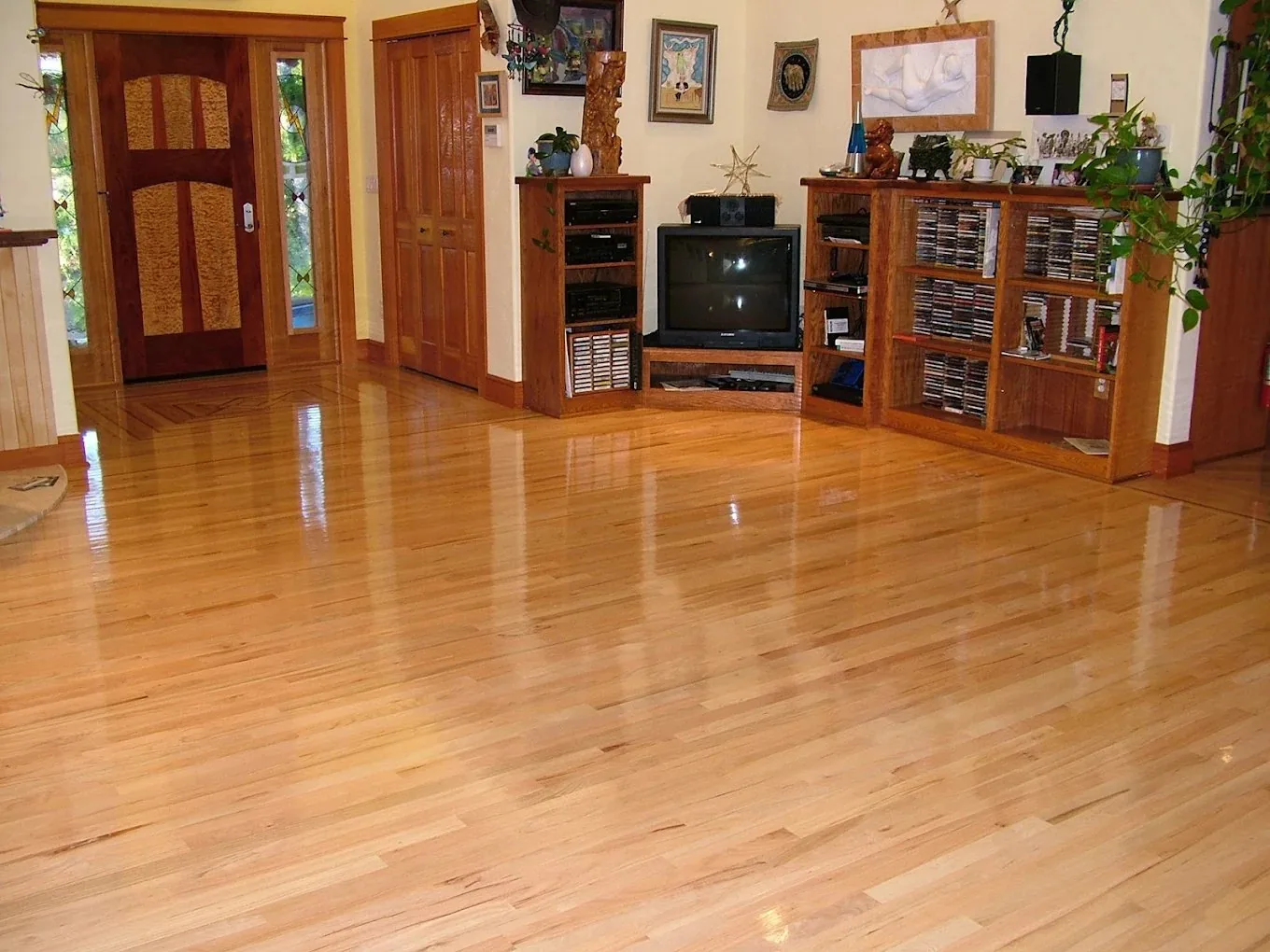
A garage conversion into a craft room or art studio is one of those projects that pays off every single day—not in rent checks, but in the simple fact that you finally have a space designed around how you actually work. No more clearing the dining room table, no more storing fabric under the bed, no more half-finished projects taking over the guest room. Here’s how we approach garage craft studio conversions for Eugene makers.
Work Surfaces: Deep, Durable, and at the Right Height
Standard kitchen counters are 36 inches high and 24 inches deep. If you quilt, build models, do leatherwork, or work with large canvases, that’s usually not enough. We custom-build work surfaces to your dimensions—deeper runs for spreading out fabric or paper, heights adjusted for whether you work standing or seated, and materials appropriate for what you’re doing. A painter might want a surface that can take knife cuts; a sewer might want a smooth laminate that fabric slides across easily. We build it to what you’re actually making.
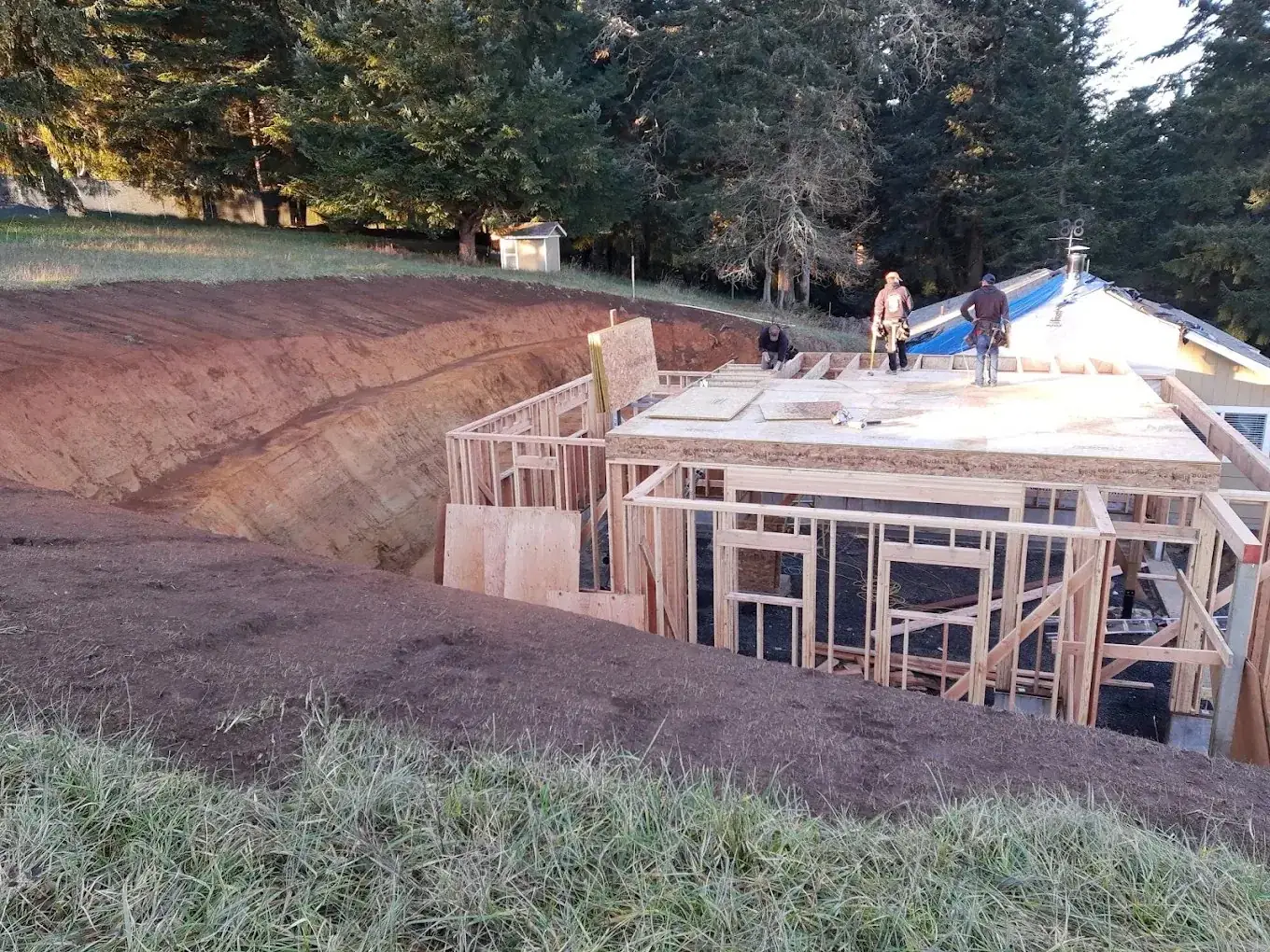
Storage That Makes Sense for Your Craft
No two crafts store the same way. A ceramicist needs different storage than a scrapbooker. What every maker shares is the need for storage that keeps materials visible and accessible without eating into workspace. Built-in shelving along one wall—floor to ceiling if you want it—is the most space-efficient approach. We can also frame in a pegboard wall for tools, add upper cabinets with glass fronts to see what’s inside, and build lower cabinets with deep drawers for fabric bolts, paper rolls, or yarn. The layout conversation happens before framing starts, not after.
Lighting: More Than You Think You Need
Art and craft work demands good light—accurate color rendering, even coverage with no shadows, and enough foot-candles to work detail. We wire craft studios with multiple lighting circuits: bright overhead LEDs with a high CRI (color rendering index) for accurate color work, plus task lighting at the main work surface, dimmable options for when overhead light causes glare on your project. If your garage has a wall where we can add a window without compromising privacy or structure, natural light is always the best supplement—a north-facing window gives you consistent light without direct sun shifting the color balance. Because Bari holds a Supervisory Master Electrician license, the lighting design is handled with the same care as the build itself.
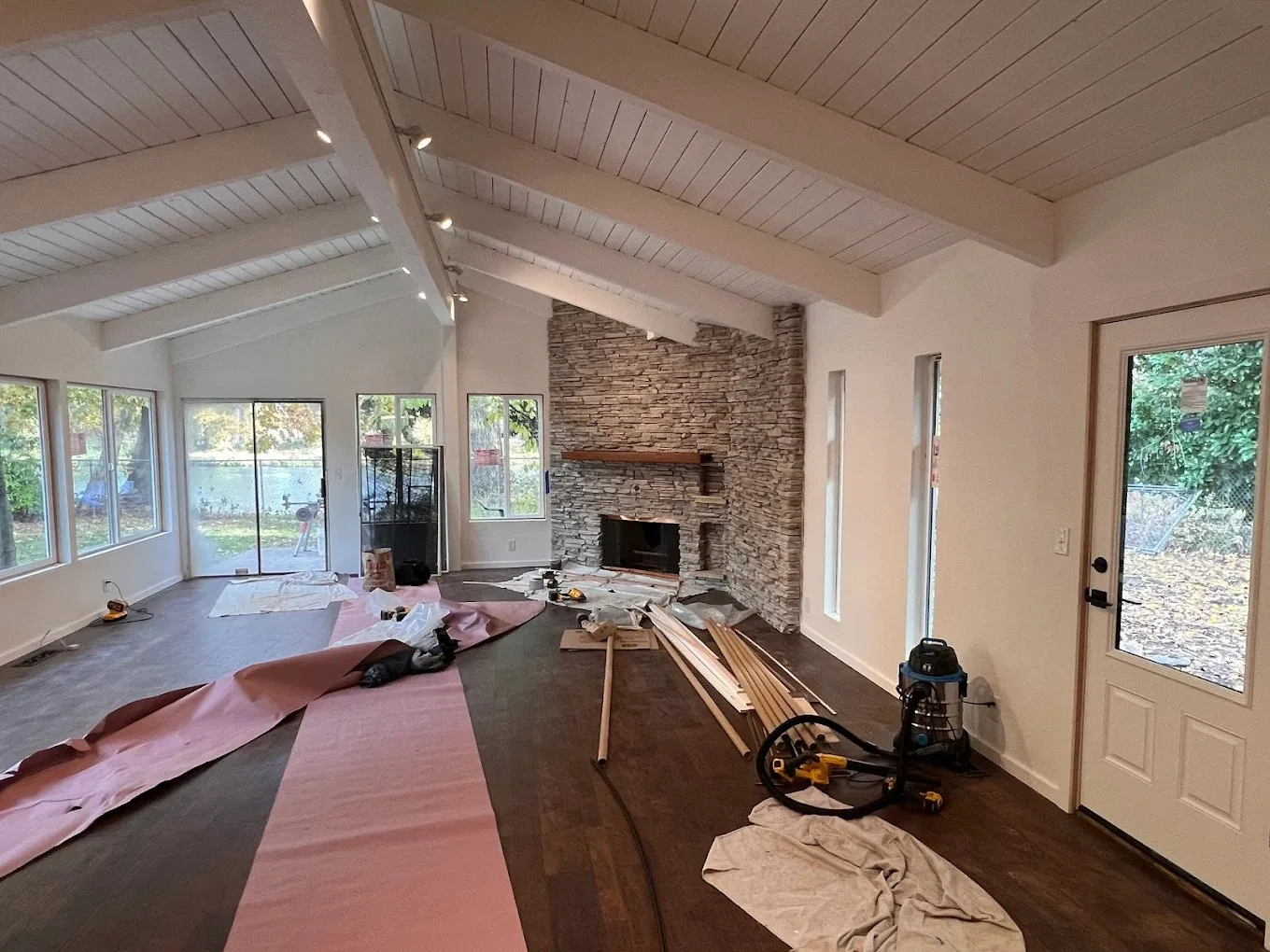
Climate Control for Year-Round Use
Uninsulated garages in Eugene run cold and damp from October through April, and warm in summer afternoons. Neither is great for creative work—or for many craft materials. Glue, paint, fabric, paper, and wood all respond to temperature and humidity swings. We insulate walls and ceiling to living-space standards and add a ductless mini-split that heats, cools, and dehumidifies independently. Your studio holds a stable temperature and humidity level year-round, which protects your materials and makes the room genuinely usable on a cold February morning.
Ventilation for Fumes and Dust
Painting, resin work, woodburning, soldering, aerosol adhesives—many crafts generate fumes or fine particulates. We can add a dedicated exhaust fan on a wall or ceiling switch to pull air out of the space, plus specify a HVAC filter appropriate for your medium. If you work with chemicals that require fresh-air ventilation, that’s part of the design conversation before the walls close.
The Build Process
We pull permits in Eugene and Lane County, manage inspections, and complete the project under Oregon CCB #210412. The result is a permitted room addition—a real asset to your home, not just a finished garage.
If your creative work deserves a room built around it, reach out for a free consultation. We’ll come look at your garage, talk through how you work, and put together a plan for a studio that actually fits your practice. Call Bari at (541) 515-3843.
Thinking about a project?
Bari will look at your lot and give you an honest estimate — free, no pressure.
Begin Your Project →